
The Dole Horse Today: A Working Horse for Modern Life
The Dole horse is often described through its history. Timber horses. Farm work. Mountain terrain.
But what really matters for anyone considering the breed today is not only where it comes from, but how it fits into modern life.
The Dole horse was never bred for a single purpose. It was bred to be useful, reliable, and adaptable. That quality has not disappeared. In many ways, it is exactly what makes the breed relevant now.
Riding: Calm, Balanced, and Capable
Under saddle, the Dole horse offers something many riders are looking for today. Not sharp or reactive, but present and willing. They are comfortable trail horses, confident on uneven ground, and well suited for everyday riding. Their movement is correct and functional, making them a good match for flatwork and lower to mid-level dressage.
It is not a coincidence that the sister of our mare Idun competes successfully at low to mid-level dressage. Both carry Coldblooded Trotter bloodlines within their Dole horse pedigree. That influence often shows in a slightly lighter, more athletic build and a way of moving that lends itself well to riding work. It simply reflects the range within the breed when breeding decisions are made with purpose. Different bloodlines bring different strengths, and here that versatility clearly translates into modern use.
They also fit well into disciplines like Working Equitation. This is a sport that values partnership, responsiveness, and calm problem-solving over sharpness or speed. The breed’s steady mindset, balance, and willingness to work make it a natural match, especially at lower to mid levels. For riders who enjoy varied training and practical challenges, the Dole horse offers a thoughtful and capable partner in this discipline as well.
Driving: A Natural Strength
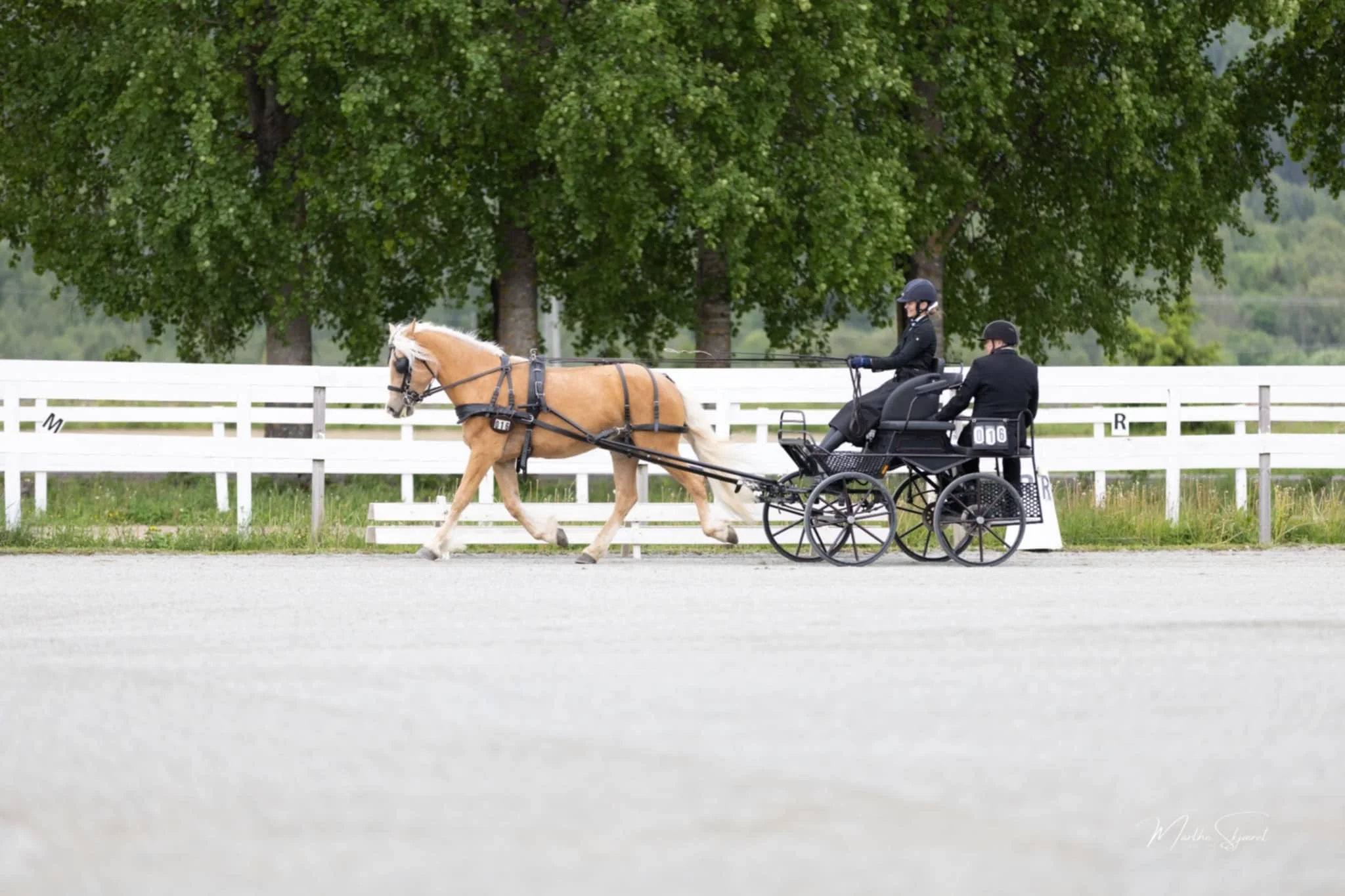
If there is one area where the Dole horse consistently stands out today, it is driving.
The breed’s balance, rhythm, and willingness make it well suited for both pleasure driving and combined driving.
Combined driving consists of three phases: dressage, marathon, and cones. Together they test precision, stamina, agility, and cooperation between horse and driver. These are not abstract skills for the Dole horse. They are a natural extension of how the breed has always moved and worked.
The sire of our stallion Lundes Storm is a clear example of what this can look like at a high level. He has competed internationally in combined driving, including driving dressage, marathon, and cones. He has also competed in para driving, where calmness, responsiveness, and clarity of communication are essential. His achievements show how correct breeding and training allow the Dole horse to perform well in modern competitive settings without losing its character.
Training and Groundwork
Part of what makes the Dole horse so adaptable is its mental balance.
They tend to be cooperative, observant, and steady under pressure. This makes them especially pleasant to work with during groundwork, long-lining, and early harness training.
They accept guidance from behind calmly and thoughtfully, which allows for gradual, clear training. Whether a horse goes on to driving, riding, or property work, this mindset makes a real difference in day-to-day handling.
Farm and Property Use
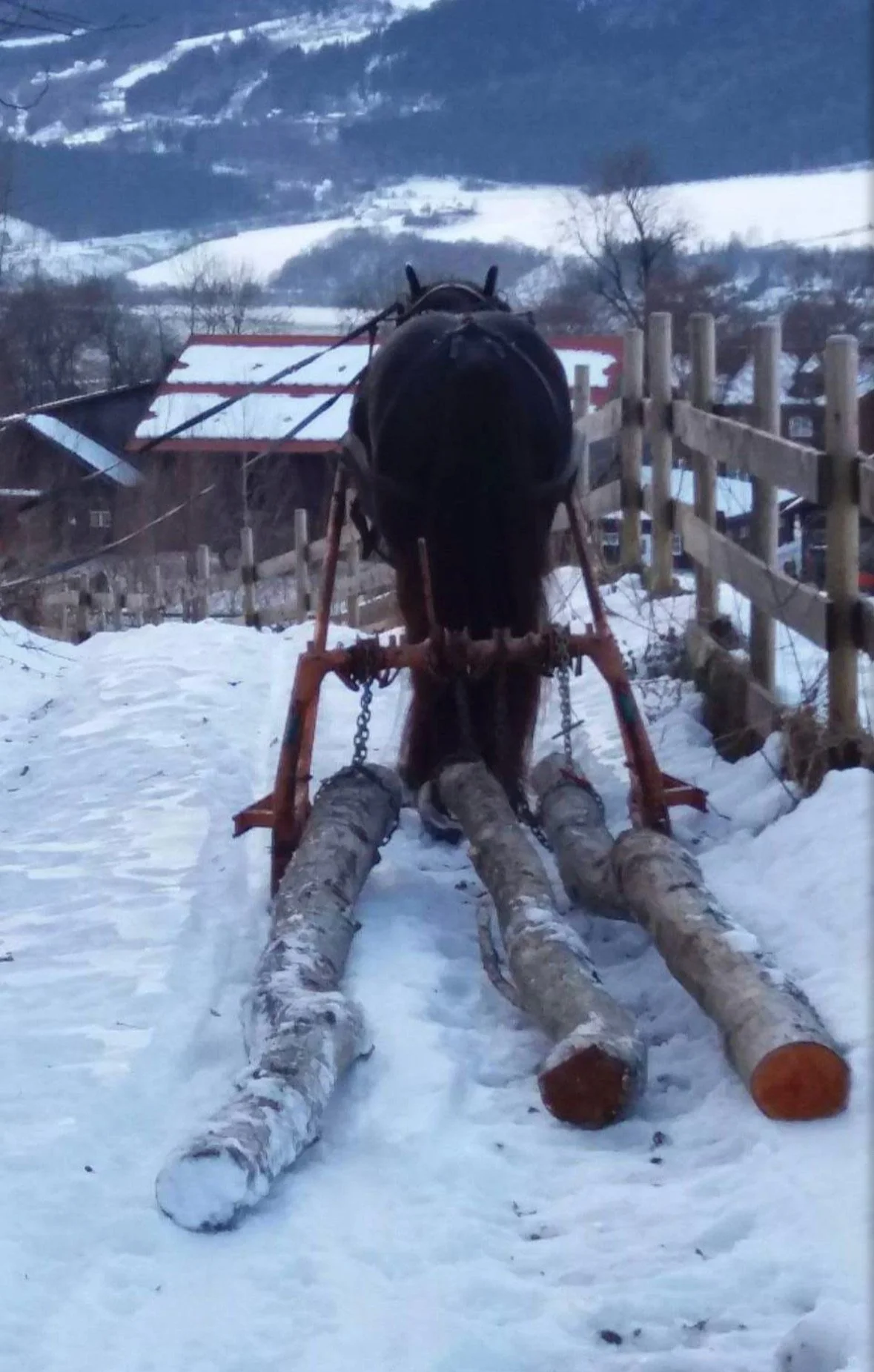
Many owners today are rediscovering the value of horses in small-scale work. Here, the Dole horse fits naturally. Dragging logs, pulling equipment, clearing trails, or assisting around a property all suit the breed’s strength and careful way of moving.
They work deliberately rather than reactively. That quality makes them safe and efficient in practical settings, especially where terrain and conditions vary.
Family Horses and Everyday Life
Another reason people choose the Dole horse is temperament.
They are social, fair, and tolerant without being passive. They handle routine well and tend to read situations calmly, which makes them a good choice in barns where multiple people interact with the same horse.
They are not dull. They are present and engaged, which is exactly what makes them reliable partners over the long term.
One Horse, Many Roles
What truly defines the Dole horse today is versatility.
A single horse can ride, drive, work, train, and even compete, depending on the interests of the owner. This adaptability allows people to grow with their horse rather than outgrow it.
In a world where many breeds are selected for extremes, the Dole horse stands apart by offering balance. Practical ability. Longevity. A partnership built over time.
That is what we focus on in our breeding program. Not only preserving the past, but supporting a future where the Dole horse continues to be used, valued, and understood.
In modern life, that may be the most important job the breed still does.
