Preservation Breeding in the United States
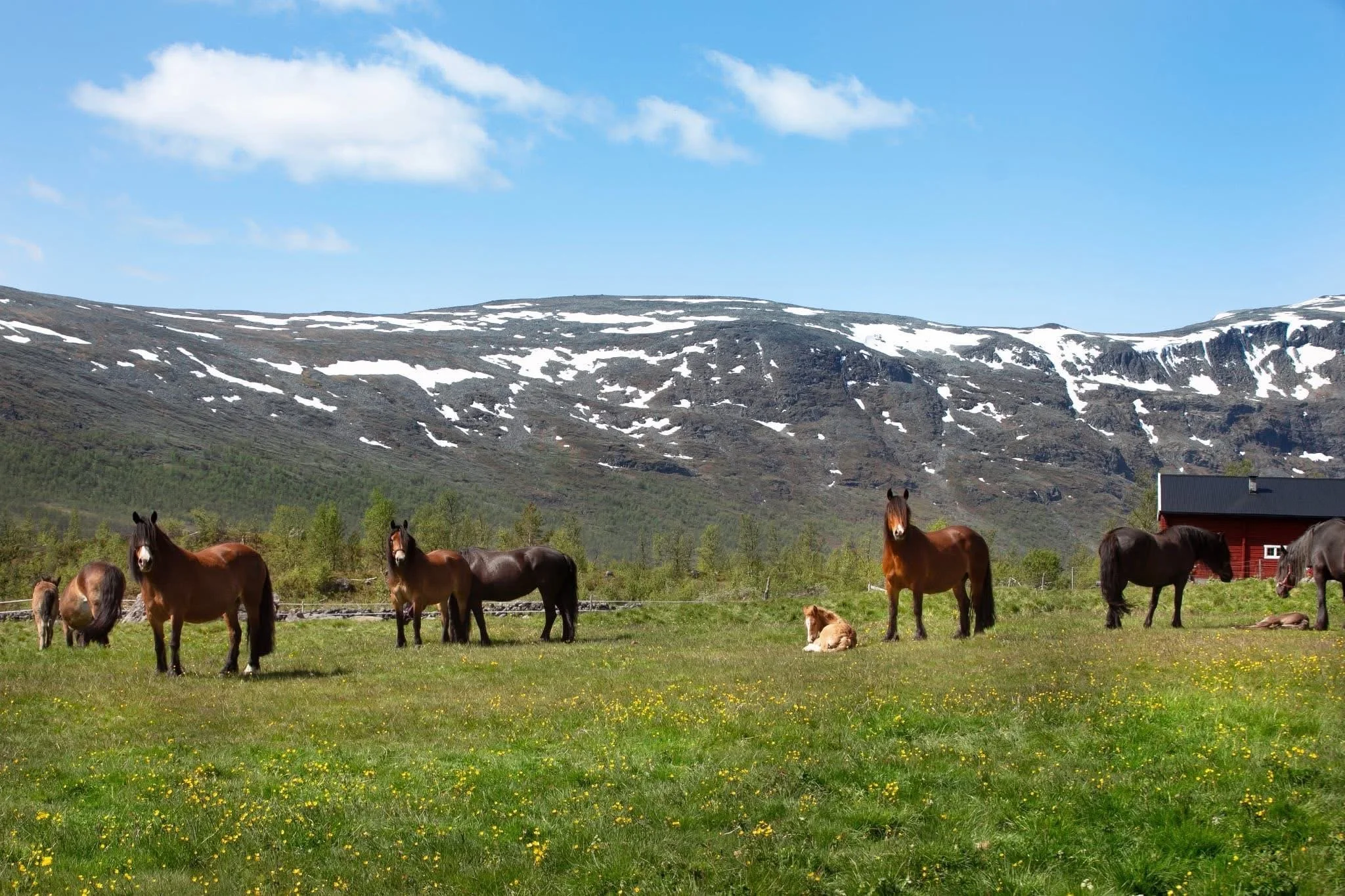
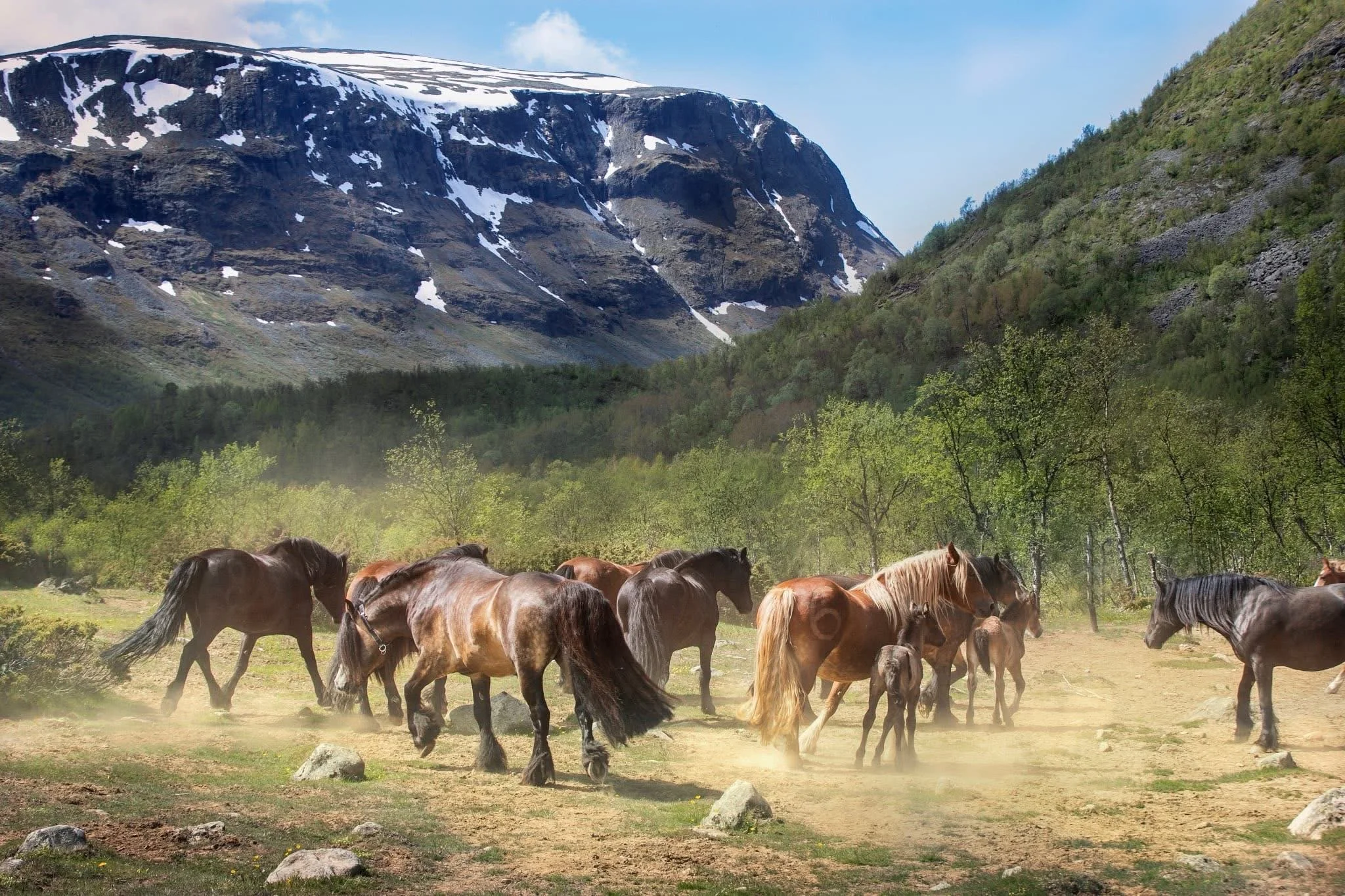
Rooted in one of the world’s most structured preservation breeding systems, developed around the long-term management of a small national horse population.
Within the Norwegian Dole horse breeding system, breeding is approached as long-term stewardship of the breed as a whole, with strict stallion approval and a breeding philosophy where temperament, soundness, work ethic, and long-term sustainability all matter together.
-
The Norwegian Dole breeding system is managed on a population level rather than by individual breeders working independently. Breeding data, bloodlines, offspring results, and population trends are tracked across the breed as a whole, allowing breeding decisions to be made with a complete overview of the national population rather than isolated programs.
This long-term overview helps guide decisions around genetic diversity, stallion usage, bloodline preservation, and the overall direction of the breed.
-
Stallions go through formal evaluations focused not only on conformation and movement, but also on temperament, willingness to work, usability, and long-term soundness as riding, driving, and working horses.
Breeding approval is initially temporary. Stallions must continue proving themselves over time before they can eventually receive permanent approval within the breeding program, often years later. The system is designed around long-term consistency rather than short-term success.
-
Highly successful stallions are limited in how many mares they are allowed to breed each season.
These breeding quotas help prevent individual bloodlines from becoming too dominant within the population and encourage broader genetic representation across the breed. The goal is long-term population health, preservation, and consistency rather than maximizing short-term production from a small number of popular stallions.
-
Because the Norwegian Dole horse population is small, preserving genetic diversity is considered essential to the breed’s long-term survival.
The breeding system actively works to avoid overrepresentation of individual bloodlines through controlled stallion usage, population tracking, and long-term breeding planning. Rare mare families and less represented bloodlines are considered important parts of maintaining a healthy and sustainable population for future generations.
-
The Norwegian Dole horse was historically expected to work closely alongside people in forestry, agriculture, transport, riding, and driving. Because of this, temperament and practical usability remain central parts of the breeding philosophy today.
The goal is not only to produce visually impressive horses, but horses that are steady, capable, willing to work, and sustainable to live with in everyday life.
-
With only around 3,700–4,000 horses remaining worldwide, the Norwegian Dole horse remains a vulnerable national breed.
The breeding system is built around long-term preservation, careful population management, and maintaining the qualities that historically made the breed valuable, rather than rapid expansion, trend-driven breeding, or short-term market demand.
Stallions & Stallion Prospects
-
![]()
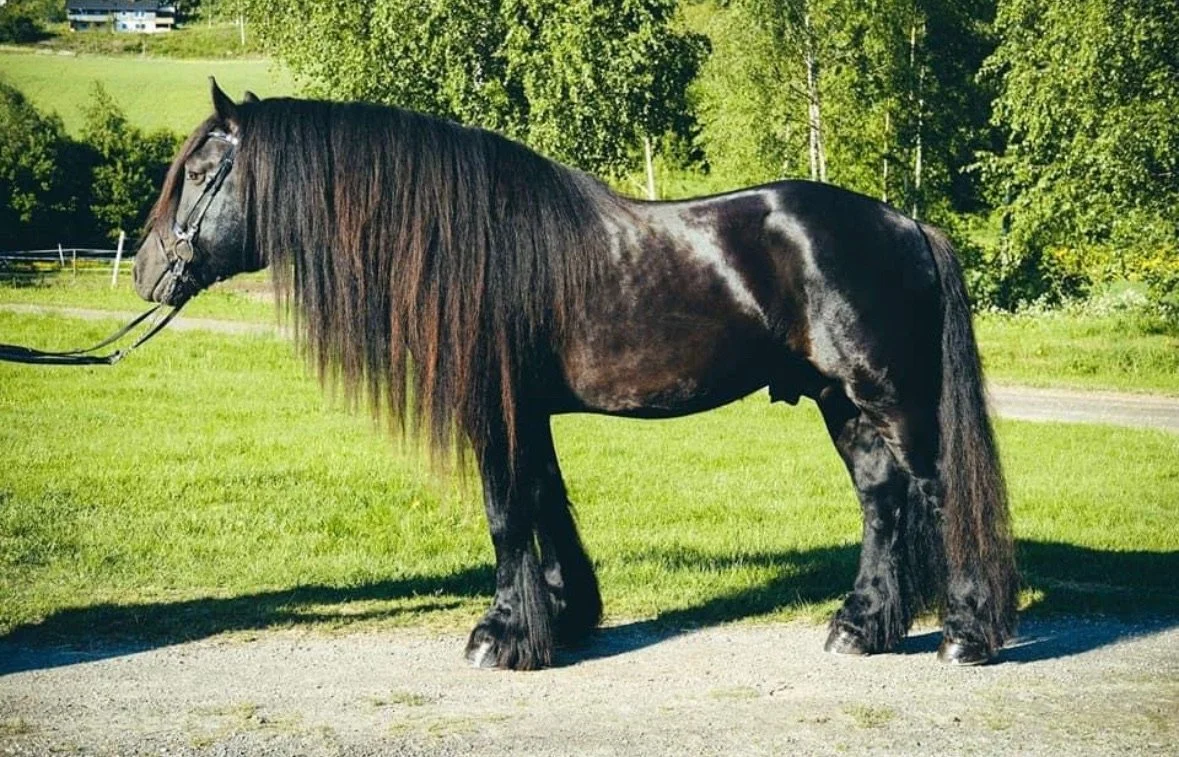
Lundes Storm
Imported licensed stallion
Black
15.1 hh6/3/2012
Currently standing for approved A-category Norwegian Dole mares only. -
![]()
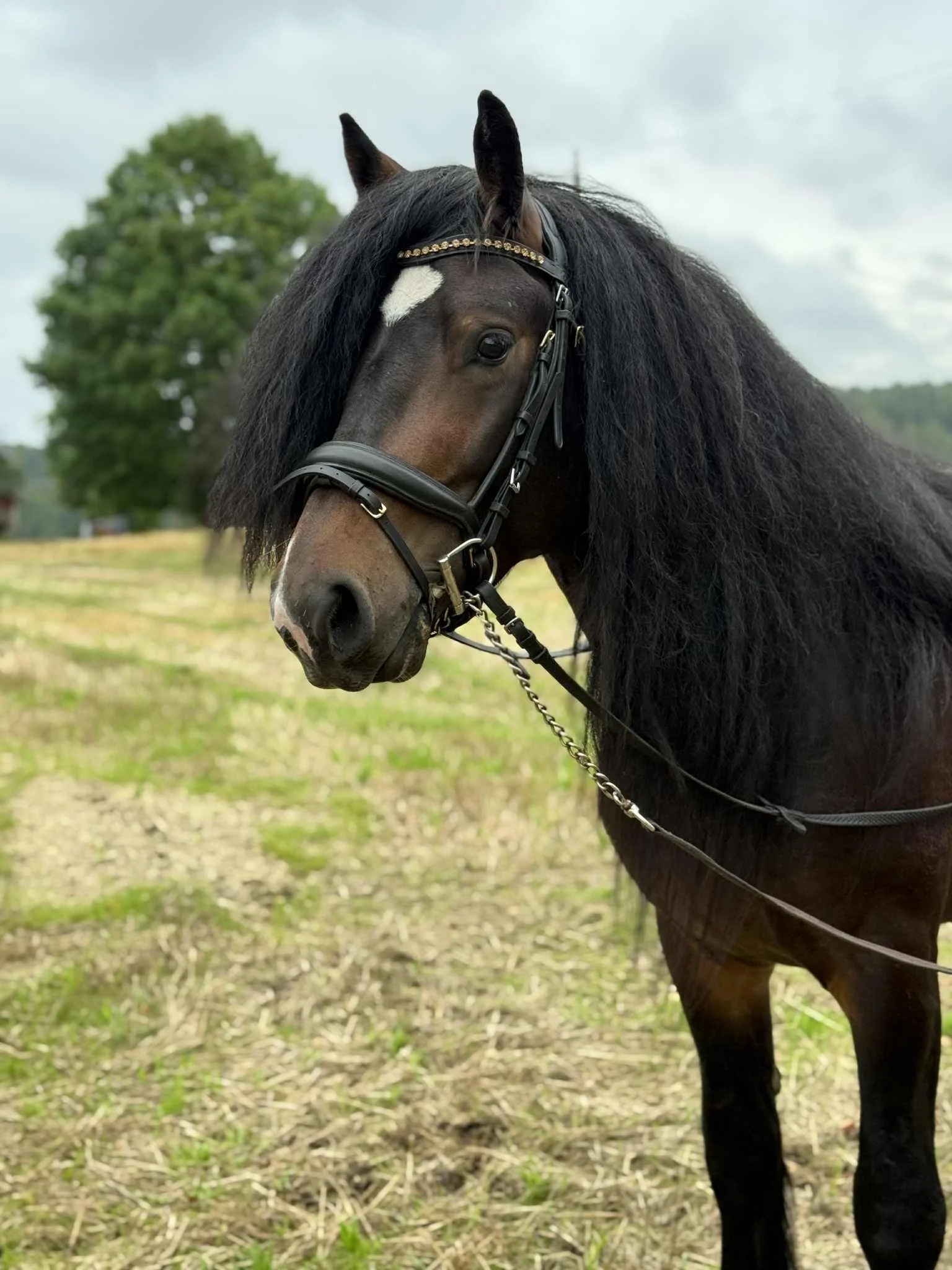
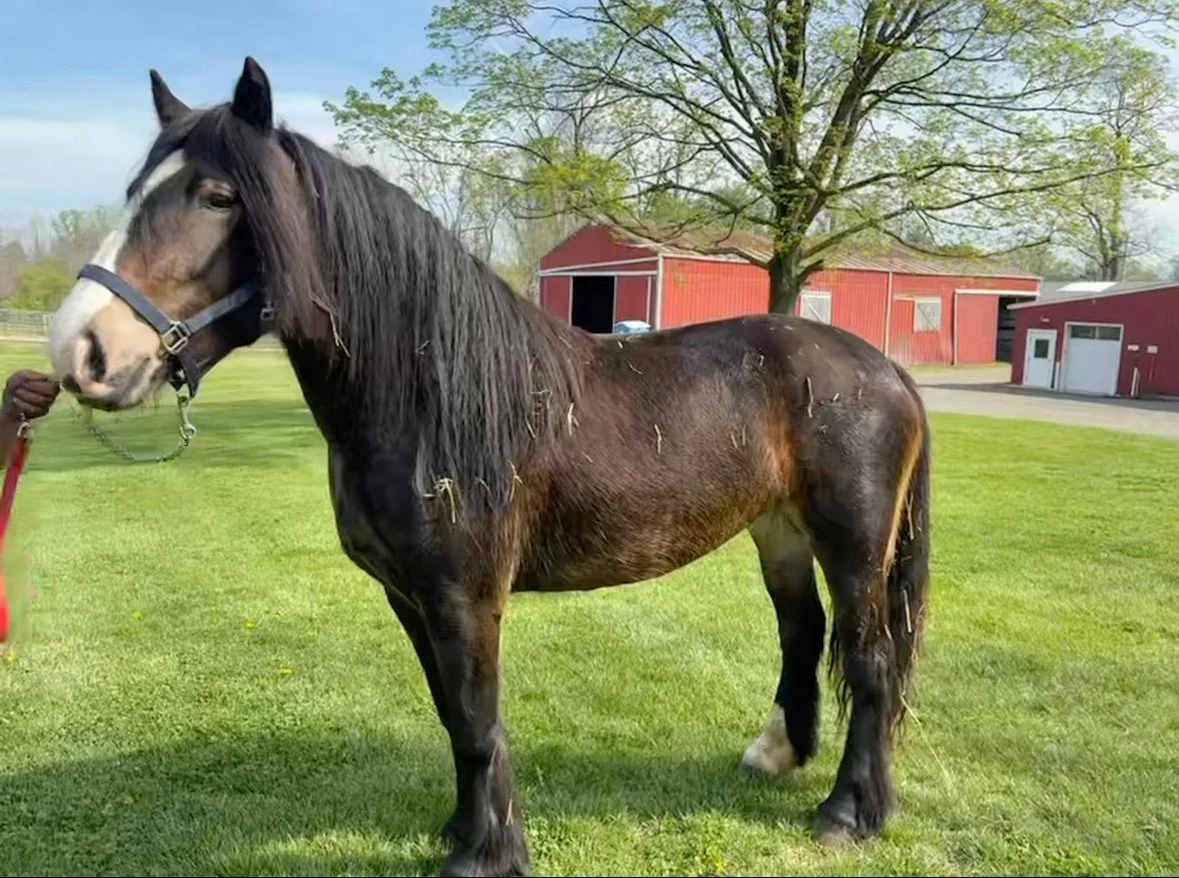
Øygard Snippen
Stallion Prospect
Bay
15.1 hh04/18/2022
Currently in training and preparation for the Norwegian stallion licensing process in Norway.
“Our program follows the traditional Norwegian preservation model through licensed stallions, carefully planned pairings, and long-term breeding decisions focused on calm, capable, durable horses.”
Mares
-
![]()
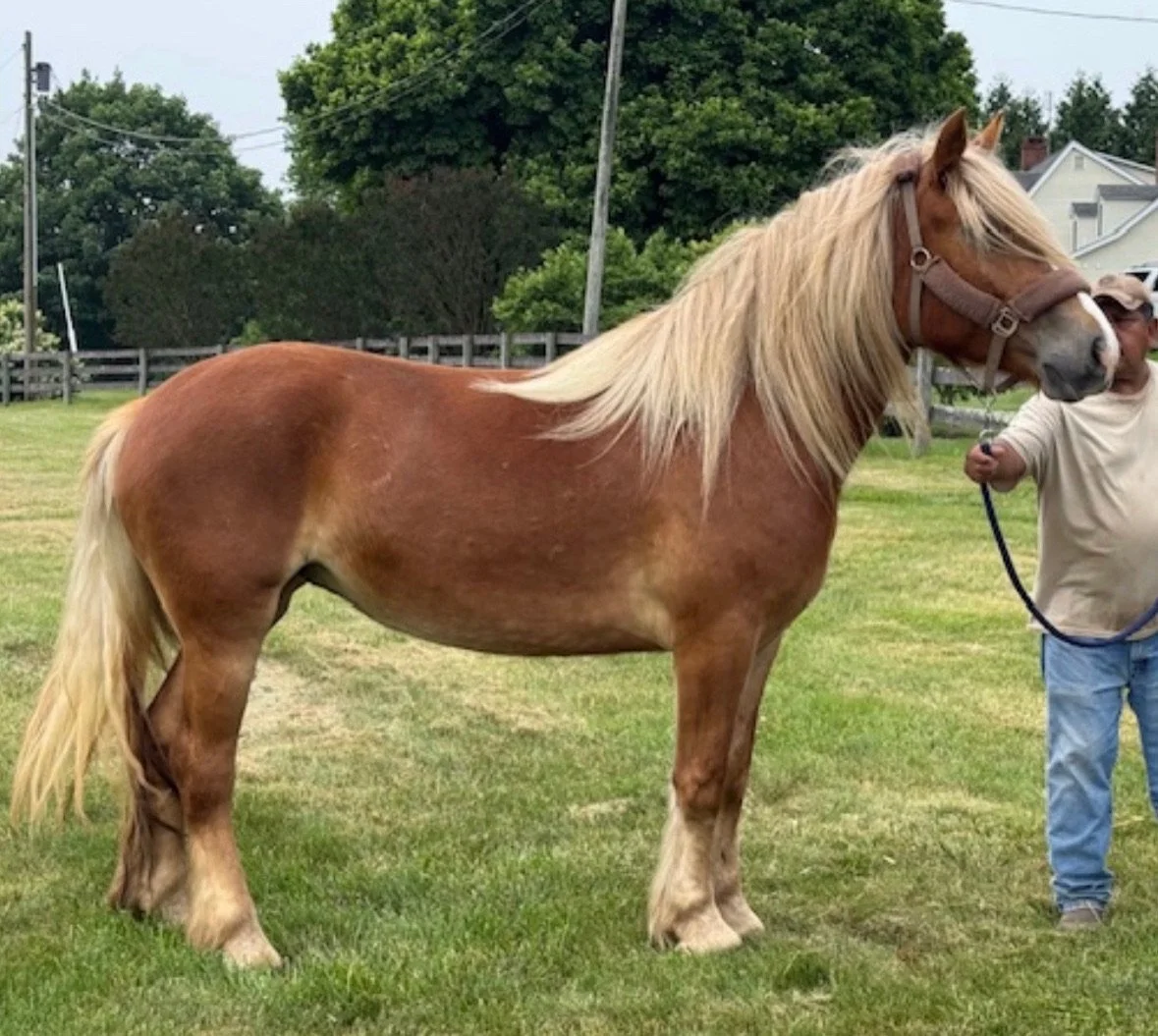
Elstad Tora
Imported mare
Chestnut5/15/2021
Breeding season ‘25-’26 reserved
Breeding season ‘26-’27 reserved -
![]()
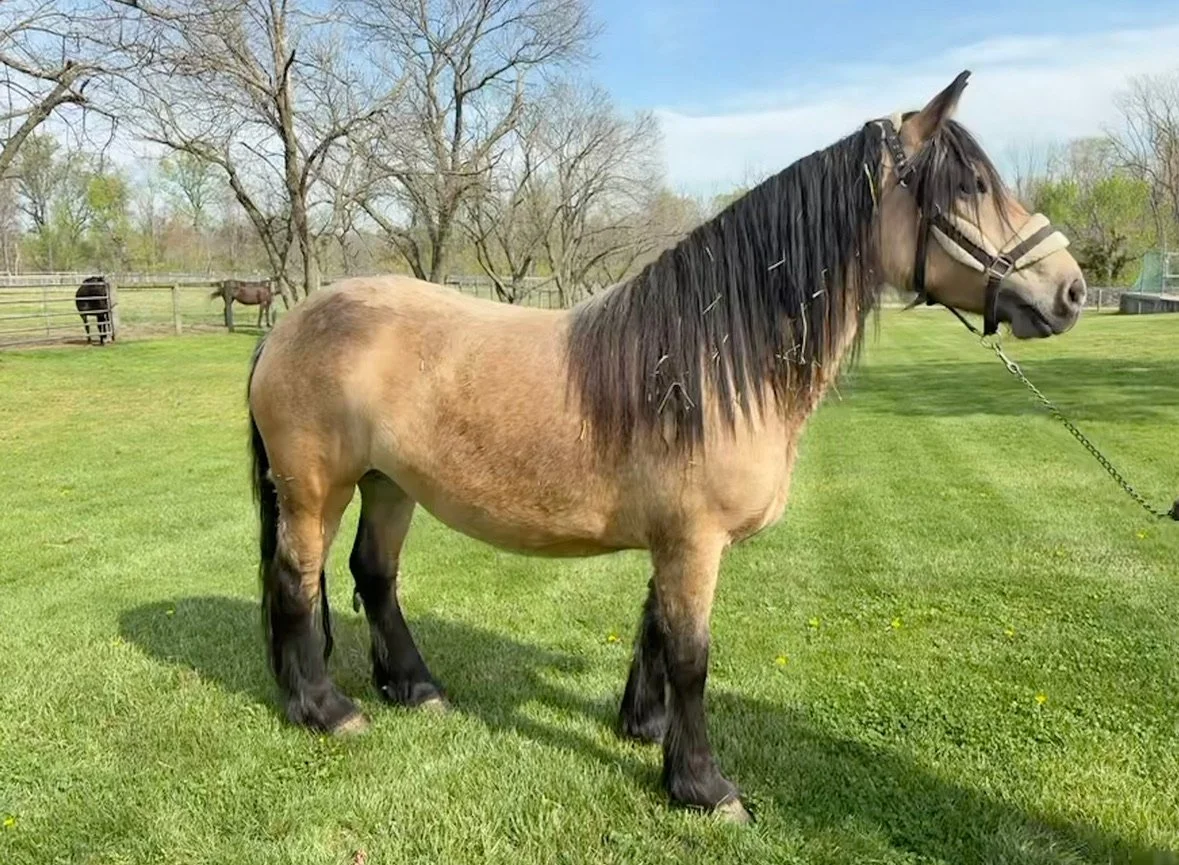
Lundbu Stjernelill
Imported mare
Buckskin5/8/2022
Breeding season ‘25-’26 reserved
Breeding season ‘26-’27 open -
![]()
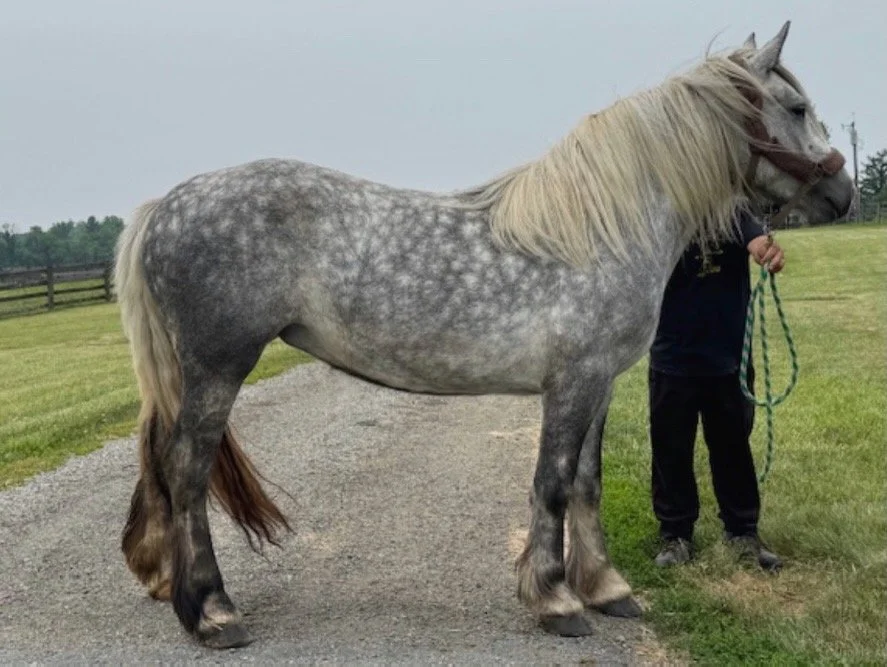
Valheims Tindra
Imported mare
Grey (Blue)
5/21/2022
Breeding season ‘25-’26 open
Breeding season ‘26-’27 reserved -
![]()
Elstad Lenda
Imported mare
Bay
6/11/2023
Breeding season ‘25-’26 not available
Breeding seadon ‘26-’27 open
Interested in the Program?
Our breeding program remains intentionally small, and availability often changes throughout the year.
For current availability, future pairings, or general inquiries, feel free to reach out to us directly.